Deadly Clashes in Gilgit-Baltistan: Mourning for Ayatollah Khamenei Ends in Bloodshed
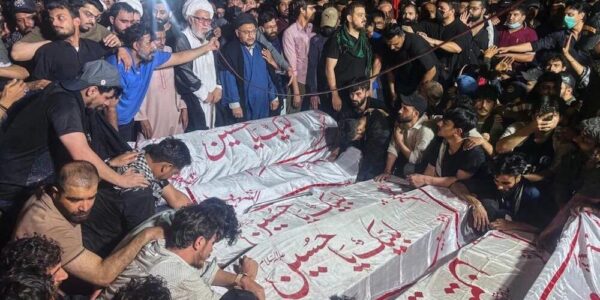
VOL News Desk/ Gilgit-Baltistan witnessed tragic violence on 1 March 2026 when security forces reportedly opened fire on crowds mourning the death of Iran’s Supreme Leader, Ayatollah Ali Khamenei. What started as peaceful gatherings in the region’s Shia communities turned deadly, resulting in at least 15 deaths and around 55 injuries, according to local sources and hospital reports.Seven people were killed in Gilgit and eight in Skardu, with firing also reported in adjoining areas. Many victims were civilians, including minors, deepening the sense of loss in an already marginalised region. Overwhelmed hospitals struggled to treat the injured, while families searched emergency wards amid curfews and heavy security. Funerals proceeded under tense conditions.
Fundamental Right to Peaceful Protest?
At the centre of the outrage is the question of civil liberties. For Gilgit-Baltistan’s large Shia population, Ayatollah Khamenei was a revered religious figure. His death prompted spontaneous mourning processions featuring black flags, prayers and traditional rituals. Witnesses describe the assemblies as orderly until security forces intervened with tear gas, baton charges and live ammunition.The reported deaths of children have left a profound scar on a community that has long felt suppressed.
Deeper Grievances: Neglect Amid Natural Wealth
The incident has amplified longstanding frustrations. Despite the region’s vast natural resources and strategic importance, residents face chronic electricity shortages, vulnerability to landslides and glacial floods, and inadequate healthcare. Many believe these issues receive attention only when protests erupt. The heavy-handed response has reinforced the perception that development is slow while repression is swift.
Governance and the Role of Security Forces
Critics point to the prominent role of the Pakistan Army, particularly the Force Command Northern Areas (FCNA). While authorities highlight infrastructure projects and the recent visit by the FCNA Commander as gestures of engagement, local observers view them as symbolic rather than substantive. To many, governance in Gilgit-Baltistan prioritises strategic control over genuine welfare and dialogue.
Lingering Questions
As the region buries its dead, uncomfortable questions remain: Why do basic services elude a resource-rich territory? Why are expressions of grief met with force instead of engagement? And why does a state respond to mourning with gunfire, risking a lasting erosion of trust?The streets of Gilgit and Skardu now mourn not only a global religious leader but also local lives lost. When peaceful assembly is answered with bullets, sorrow can harden into enduring resentment — a fracture that curfews and symbolic outreach may struggle to heal.
0 Comments