The Decline of American Superpower Dominance and Iran’s Resilience: An Analysis of Changing Global Politics
The current tensions in the Middle East are no longer viewed merely as a regional conflict; they are increasingly seen as a sign of a broader shift in the global balance of power. For decades, the prevailing perception in international politics was that the United States functioned as an unmatched superpower capable of shaping global political directions through its strategic decisions. Recent developments, however, have challenged this perception. Many observers now argue that the aura of uncontested American dominance is weakening, and global politics may be entering a new phase.
At the center of this evolving dynamic are two contrasting blocs. On one side are powers that seek to maintain influence through military and economic strength. On the other are states that emphasize political independence and sovereignty. Iran, officially known as the Islamic Republic of Iran, has increasingly positioned itself within the latter group.
Iran’s Endurance Under Pressure
* Click to Follow Voice of Ladakh on WhatsApp *
Over the past several decades, Iran has faced extensive economic sanctions, diplomatic pressure, and military threats from various international actors. Despite these challenges, the country has not only maintained its political system but has also strengthened certain aspects of its defense capabilities and domestic institutions.
For many years, analysts predicted that sustained sanctions would eventually force Iran to abandon its policies or face internal collapse. Yet history has shown that economic pressure alone does not always weaken a state—particularly when that state possesses internal cohesion, long-term strategic planning, and strong political determination. Iran has invested heavily in domestic production, scientific development, and military capabilities, allowing it to reduce its reliance on external systems.
In particular, Iran’s missile program and advancements in drone technology have become major subjects of global debate. Supporters within Iran argue that these developments represent a form of strategic self-reliance and national defense, rather than simple displays of military power.
Contradictions in Global Power Politics
Another dimension of the current tensions is the growing scrutiny of international policies pursued by major powers. The United States has long presented itself as a defender of democracy and global stability. However, its military interventions in several Middle Eastern conflicts have drawn criticism from political analysts and international observers.
The policies of U.S. President Donald Trump, particularly in relation to Iran and the Middle East, sparked debates not only internationally but also within the United States itself. Critics argued that aggressive foreign policy strategies risked increasing instability in the region rather than resolving existing tensions.
Public reaction within the United States also reflected these divisions. In several cities, protests and demonstrations questioned the direction of U.S. foreign policy and the consequences of prolonged military involvement abroad. Some political commentators suggested that continuous intervention overseas could weaken America’s global reputation while also deepening internal political divisions.
Humanitarian Consequences of Conflict
Beyond strategic considerations, the most tragic aspect of any conflict remains its human cost. Reports of civilian casualties in various confrontations—including incidents involving women and schoolchildren—have sparked emotional reactions and raised serious moral questions about modern warfare. These incidents highlight the persistent dilemma of how civilian lives are protected in times of military confrontation.
The Role of Global Institutions
The performance of international institutions has also come under scrutiny. Many observers have expressed concern that global organizations such as the United Nations sometimes struggle to respond effectively during crises involving major geopolitical powers.
In situations where civilian lives are at risk and regional stability is threatened, the international community often expects swift and decisive action. Yet in many cases, responses have been slow or limited, revealing structural challenges within the global governance system.
Political Developments Inside Iran
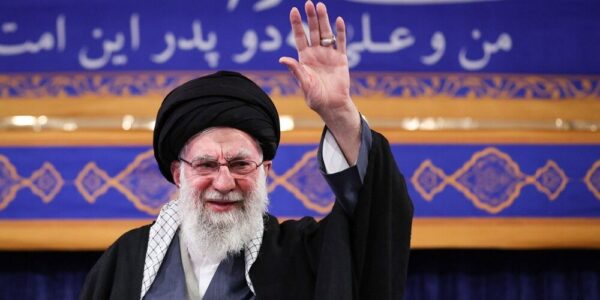
At the same time, domestic political developments within Iran have also shaped the narrative surrounding the country’s resilience. Leadership changes and internal political dynamics have been interpreted by supporters as moments of renewal and consolidation.
In Iran’s political structure, the Supreme Leader plays a central role in shaping both political direction and ideological identity. Leadership transitions or reaffirmations of authority therefore carry symbolic as well as strategic significance for the country’s political system.
A Changing Global Order
To fully understand the current Middle Eastern tensions, it is essential to recognize the historical complexity of the region. Conflicts in this part of the world are rarely defined solely by military confrontation. They are often influenced by ideological narratives, historical grievances, and competing regional interests.
At the same time, the concept of power in international politics is evolving. In earlier eras, power was largely defined by military strength and economic resources. Today, other factors—such as ideological influence, diplomatic strategy, and internal political stability—are increasingly recognized as key elements of national power.
Iran’s supporters argue that the country has attempted to maintain a balance among these elements, enabling it to withstand external pressure while preserving its political system.
Toward a Multipolar World?
Many global observers now believe that the international system is gradually moving away from a unipolar structure dominated by a single superpower. The rise of new regional powers, shifting alliances, and internal challenges within established powers all contribute to this transformation.
Within this context, debates about the future of global leadership have intensified. Some analysts argue that the era of uncontested American dominance is ending and that the world may be moving toward a more multipolar order in which several powers share influence.
Conclusion
The final outcome of the current tensions in the Middle East remains uncertain. However, it is clear that the conflict has already challenged several long-standing assumptions about global politics. Increasing criticism of U.S. policies, internal debates within major powers, the limitations of international institutions, and the resilience of regional actors all point toward a shifting geopolitical landscape.
From the perspective of its supporters, Iran’s ability to withstand decades of pressure illustrates the importance of political determination and strategic patience in international affairs. For many analysts, the ongoing developments represent more than a regional confrontation—they symbolize a significant transformation in the global balance of power.
History often remembers those nations that endure difficult circumstances with resilience. In that sense, the current chapter of Middle Eastern politics is being interpreted by some observers as evidence that the global political order is changing—and that the balance of power may be entering a new era.
0 Comments